




Many property managers and building owners wonder whether trash chute cleaning is simply a best practice—or if it’s actually required by law. While specific regulations vary by location, the short answer is: in many cases, regular trash chute cleaning is required under health, safety, and fire codes.
Even when not spelled out word-for-word, sanitation and maintenance standards often make proper chute cleaning a legal responsibility.
How Building Codes Address Trash Chute Sanitation
Most local, state, and federal regulations focus on public health and safety rather than specific cleaning schedules.
These regulations typically require building systems to be:
- Clean and sanitary
- Free of pest infestations
- Maintained in safe working condition
- Free from excessive odors
- Properly ventilated
Because trash chutes directly affect all of these areas, regular cleaning is often necessary to remain compliant.
Fire Safety Regulations and Trash Chutes
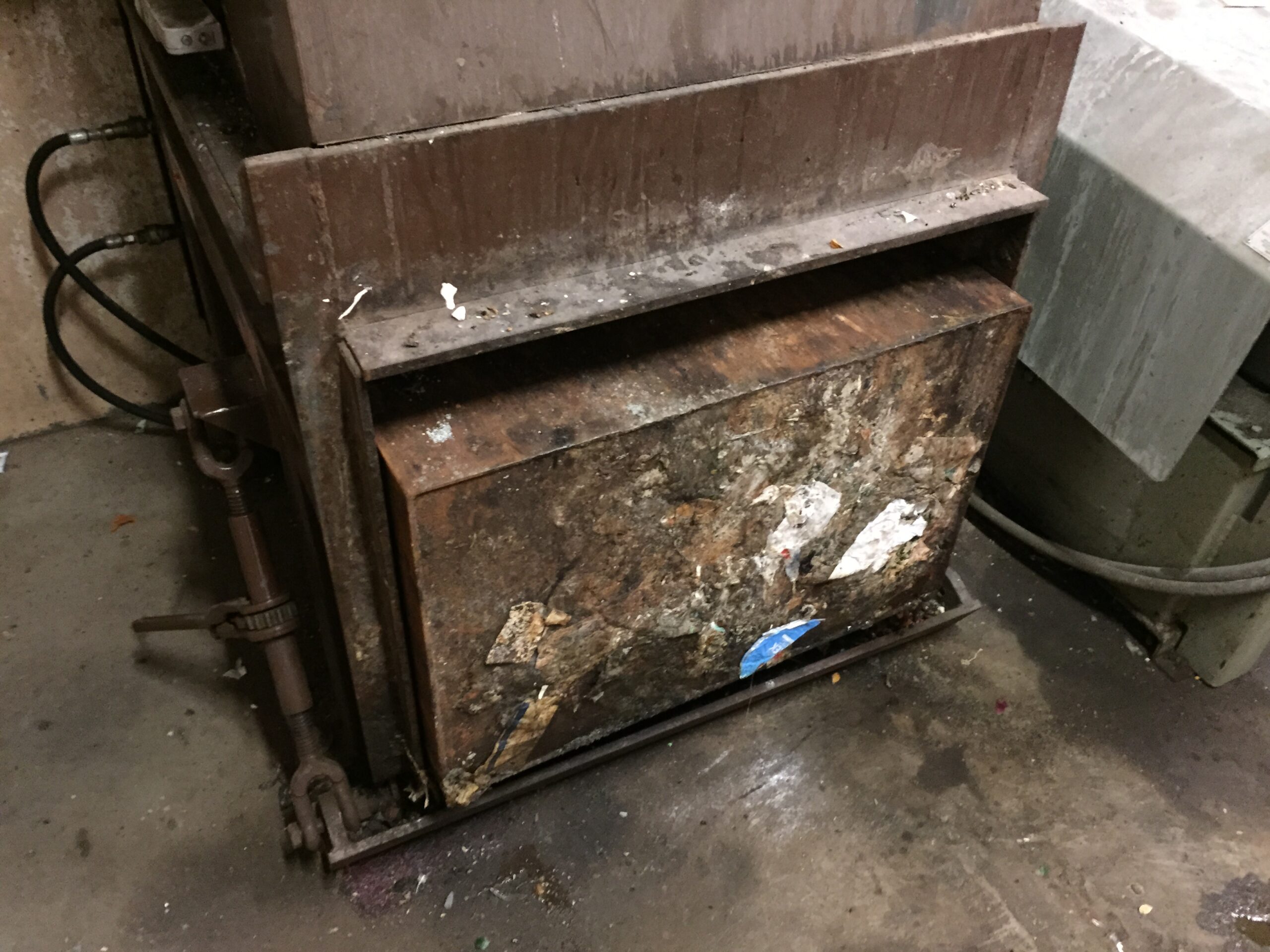
Trash chutes are considered high-risk areas for fire hazards.
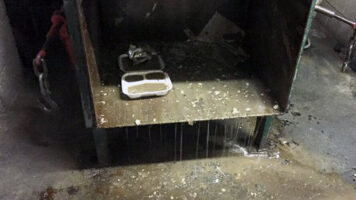
Grease, debris, and waste residue can accumulate inside chute systems, increasing the risk of combustion. Fire safety authorities frequently require:
- Removal of combustible buildup
- Proper maintenance of chute doors
- Regular inspections
- Clean trash rooms and compactor areas
Neglected chute systems may lead to fire code violations and costly remediation orders.
Health Department and Housing Standards
Health departments and housing authorities commonly enforce rules related to sanitation and pest prevention.
Dirty trash chutes can contribute to:
- Rodent infestations
- Insect activity
- Bacterial growth
- Unsanitary living conditions
These issues can result in citations, fines, or mandatory corrective action if not addressed.
HUD, OSHA, and Local Housing Requirements
Many multi-unit properties fall under guidelines set by organizations such as:
- HUD (Department of Housing and Urban Development)
- OSHA (Occupational Safety and Health Administration)
- State housing agencies
- Local building departments
These agencies often require property managers to maintain waste systems in safe, sanitary condition, which includes routine chute cleaning.
What Happens If You’re Not in Compliance?
Failure to properly maintain trash chute systems can lead to:
- Failed inspections
- Financial penalties
- Legal liability
- Increased insurance risk
- Tenant complaints
- Forced emergency cleaning
Routine professional maintenance helps avoid these problems.
Why Documentation Matters
Many property managers are required to document maintenance activities.
Professional trash chute cleaning provides:
- Service records
- Compliance documentation
- Inspection support
- Maintenance history
This can be valuable during audits, inspections, or insurance reviews.
How Often Is Cleaning Typically Expected?
While exact requirements vary, many jurisdictions expect:
- Annual professional cleaning at minimum
- More frequent service for high-occupancy buildings
- Immediate cleaning when problems arise
OFF THE WALL works with property managers to align cleaning schedules with local regulations and inspection requirements.
Final Answer: Is Trash Chute Cleaning Required by Code?
In many cases, yes—trash chute cleaning is required under health, safety, and fire regulations, even if not listed as a specific line item. Regular professional cleaning helps ensure compliance, reduce liability, and protect residents.
If you’re unsure about your building’s requirements, professional maintenance is the safest approach.
Contact OFF THE WALL today to schedule compliant trash chute cleaning and receive a free maintenance assessment.
Contact Us Today!
Keeping New England Clean Since 1985
Power washing company serving Connecticut, Massachusetts, and Rhode Island
CT Li.# 0626878 – Fully Insured

More Posts About Trash Chute Cleaning