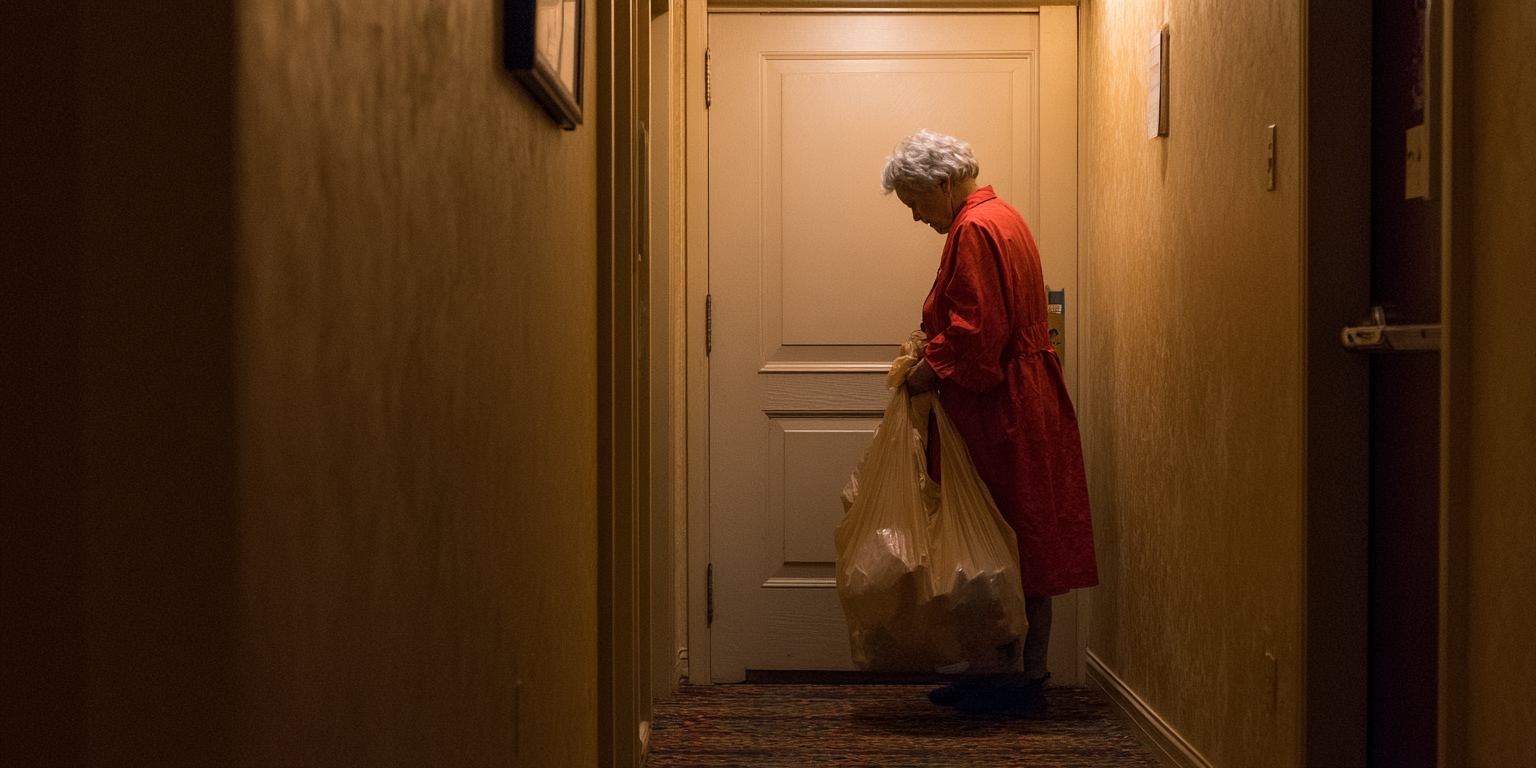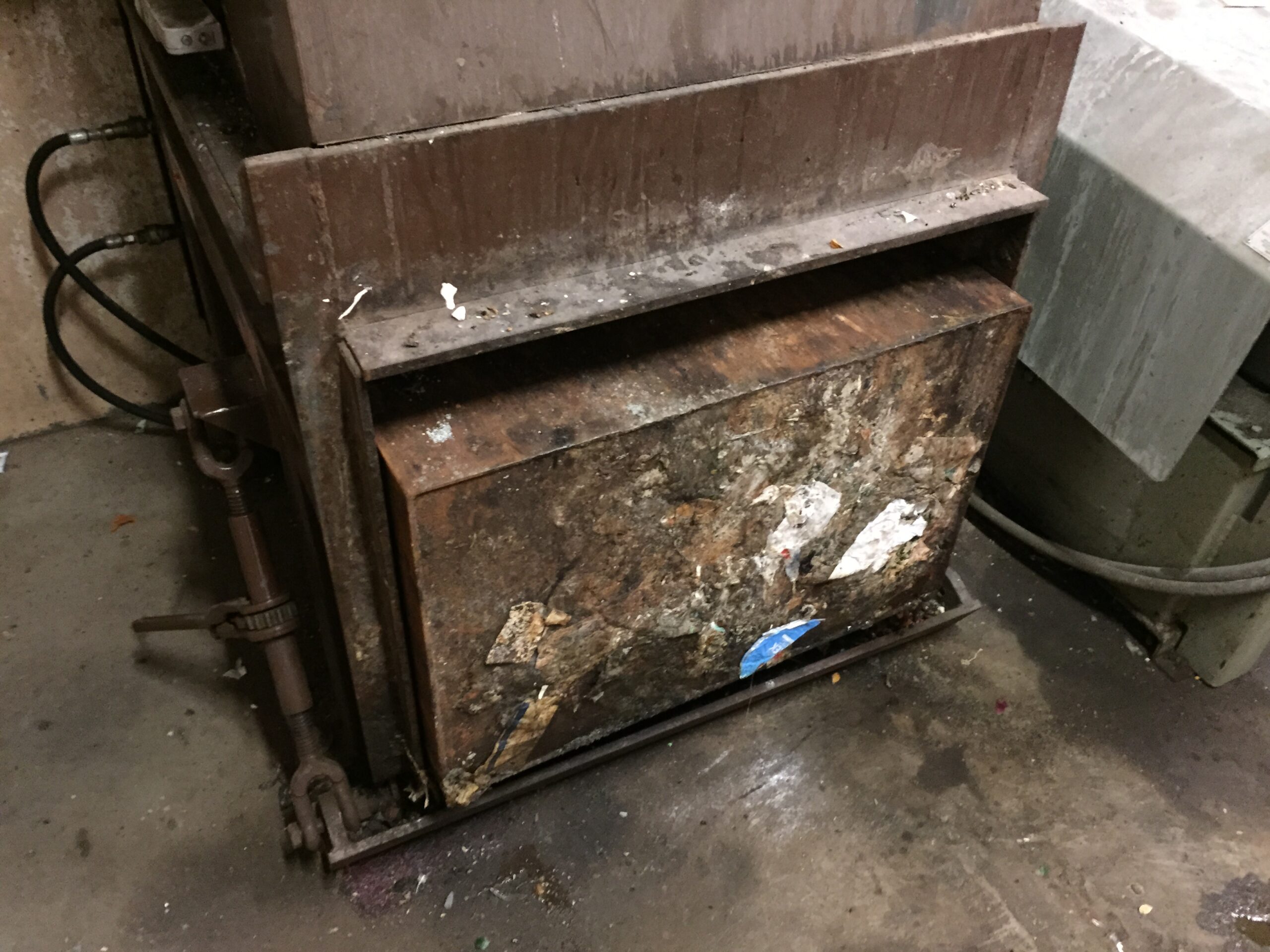





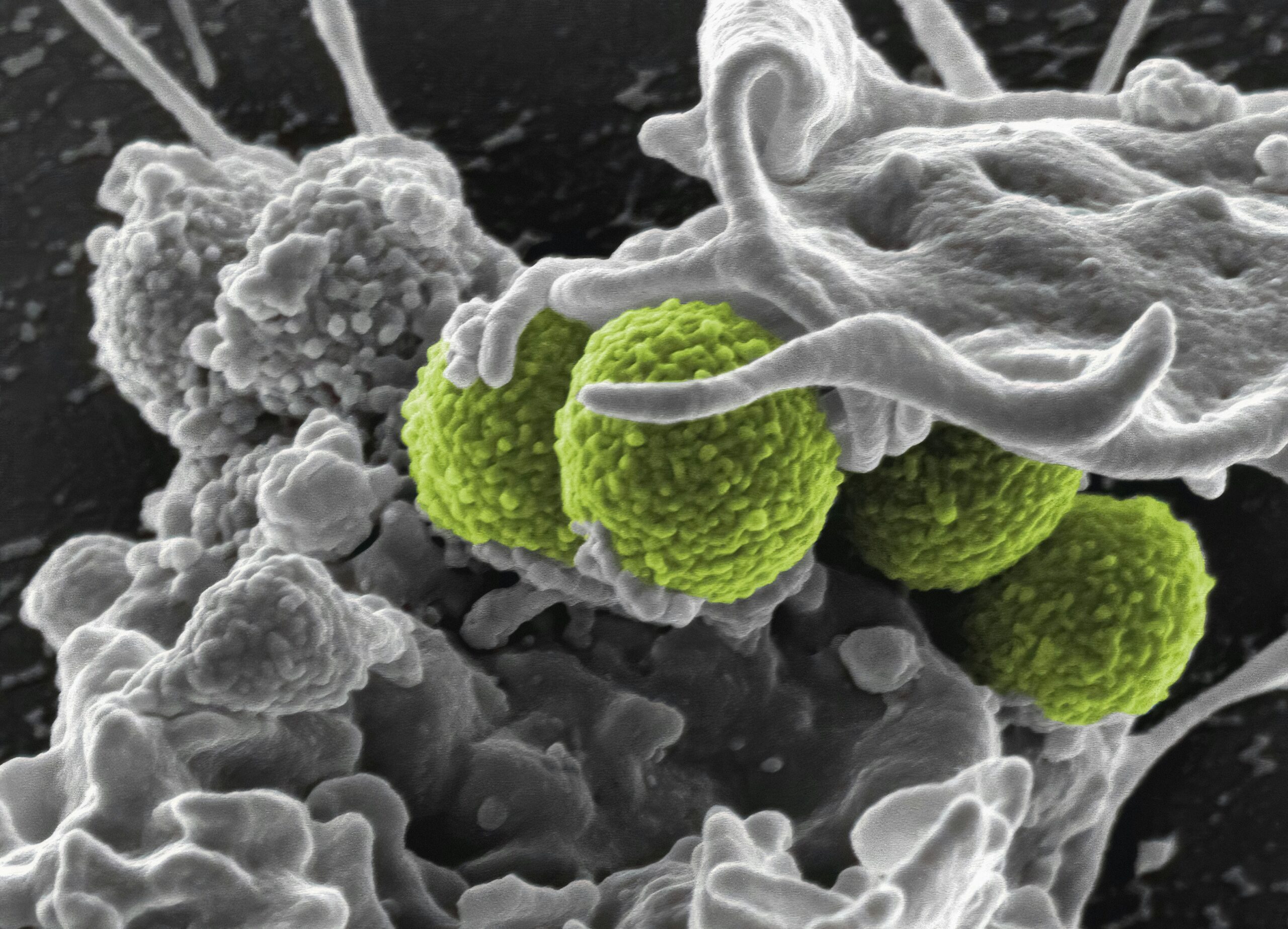
Trash chutes are designed to make waste disposal convenient in multi-story buildings—but when they aren’t properly cleaned, they can become a major source of bacteria and germs. Because they carry food waste, liquids, and household trash every day, chute systems can quickly turn into breeding grounds for harmful microorganisms.
The short answer is: yes—dirty trash chutes can spread bacteria throughout a building.
Why Trash Chutes Are High-Risk Areas for Germs
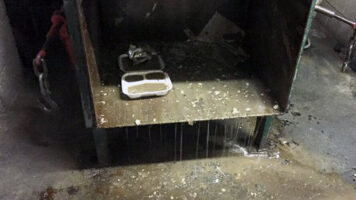
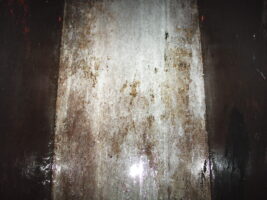
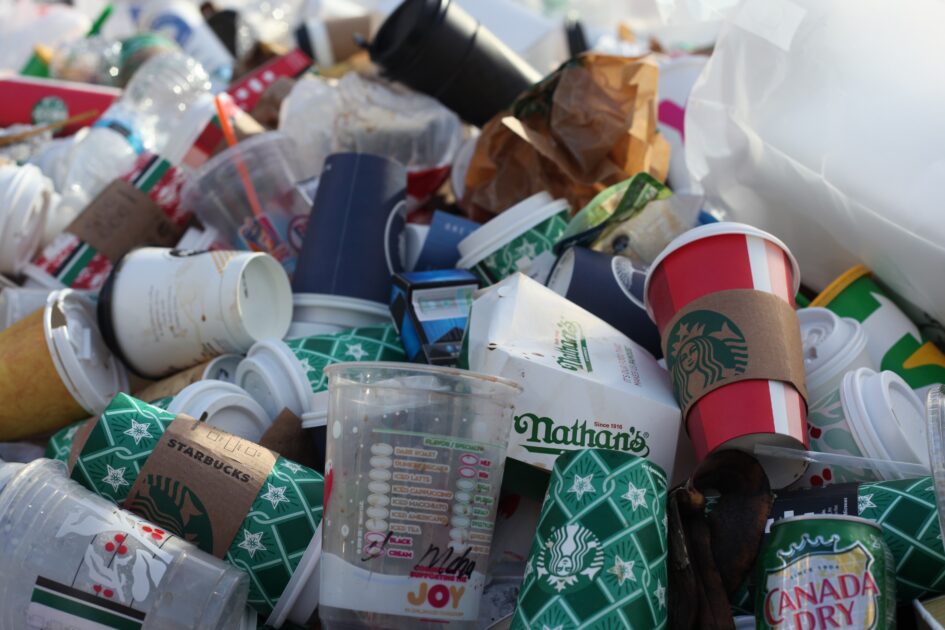
Every bag of trash contains organic material that can support bacterial growth. When bags leak or break, residue sticks to the interior walls of the chute.
Over time, this buildup creates moist, nutrient-rich conditions that allow bacteria to multiply rapidly.
Warm air moving through the chute system can then help distribute odors and microscopic particles throughout the building.
Common Bacteria Found in Dirty Trash Chutes
Neglected chute systems may harbor harmful microorganisms, including:
- E. coli
- Salmonella
- Staphylococcus (including MRSA)
- Mold and mildew spores
- Other airborne bacteria
These organisms can affect indoor air quality and increase health risks for residents and staff.
How Bacteria Travel Through Buildings
Trash chutes act like vertical tunnels that connect multiple floors.
When doors open and close, air pressure changes can circulate contaminated air into hallways and nearby units. Bacteria and odor particles can travel upward and downward through the shaft.
This allows contamination to spread far beyond the trash room.
Health Risks Associated With Unsanitary Chutes
Bacterial growth in chute systems can contribute to:
- Respiratory irritation
- Allergies
- Asthma flare-ups
- Gastrointestinal illness
- Skin infections
While not every resident will become sick, unsanitary systems increase overall health risks.
Why Surface Cleaning Isn’t Enough
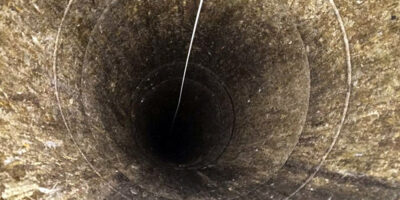
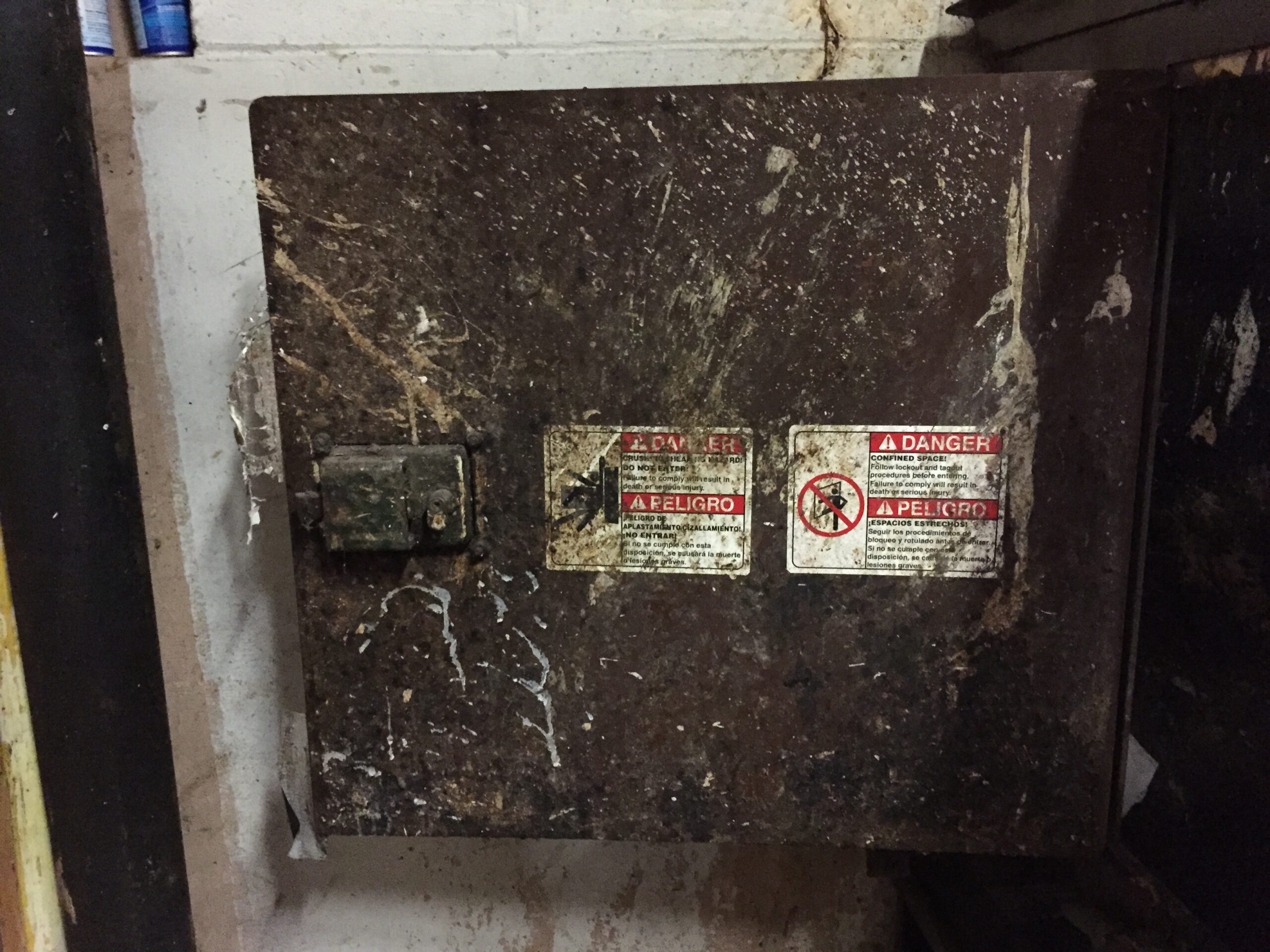
Regular janitorial cleaning focuses on visible areas such as chute doors and floors. Unfortunately, this does not address the interior shaft where most bacteria develop.
Without professional cleaning, harmful buildup continues unseen.
Only deep interior sanitization can eliminate bacterial colonies.
How Professional Cleaning Controls Bacteria
Professional trash chute cleaning removes bacteria at its source.
A thorough service includes:
- High-temperature water washing
- Degreasing treatments
- Disinfecting agents
- Odor-neutralizing solutions
- Full system sanitization
This process destroys microorganisms and prevents rapid regrowth.
How Often Chutes Should Be Sanitized for Health
To reduce bacterial spread, most buildings should schedule:
- Annual professional sanitization at minimum
- Semi-annual service for high-occupancy properties
- More frequent cleaning for healthcare or senior housing
OFF THE WALL customizes schedules based on building use and risk factors.
Final Answer: Can Trash Chutes Spread Bacteria?
Yes—dirty trash chutes can spread bacteria through air circulation, surface contact, and shared waste systems. Without regular professional sanitization, they pose health risks to residents and staff.
Routine cleaning protects indoor air quality and supports a healthier living environment.
Contact OFF THE WALL today to schedule professional trash chute sanitization and help protect your building’s health.
Contact Us Today!
Keeping New England Clean Since 1985
Power washing company serving Connecticut, Massachusetts, and Rhode Island
CT Li.# 0626878 – Fully Insured

More Posts About Trash Chute Cleaning