




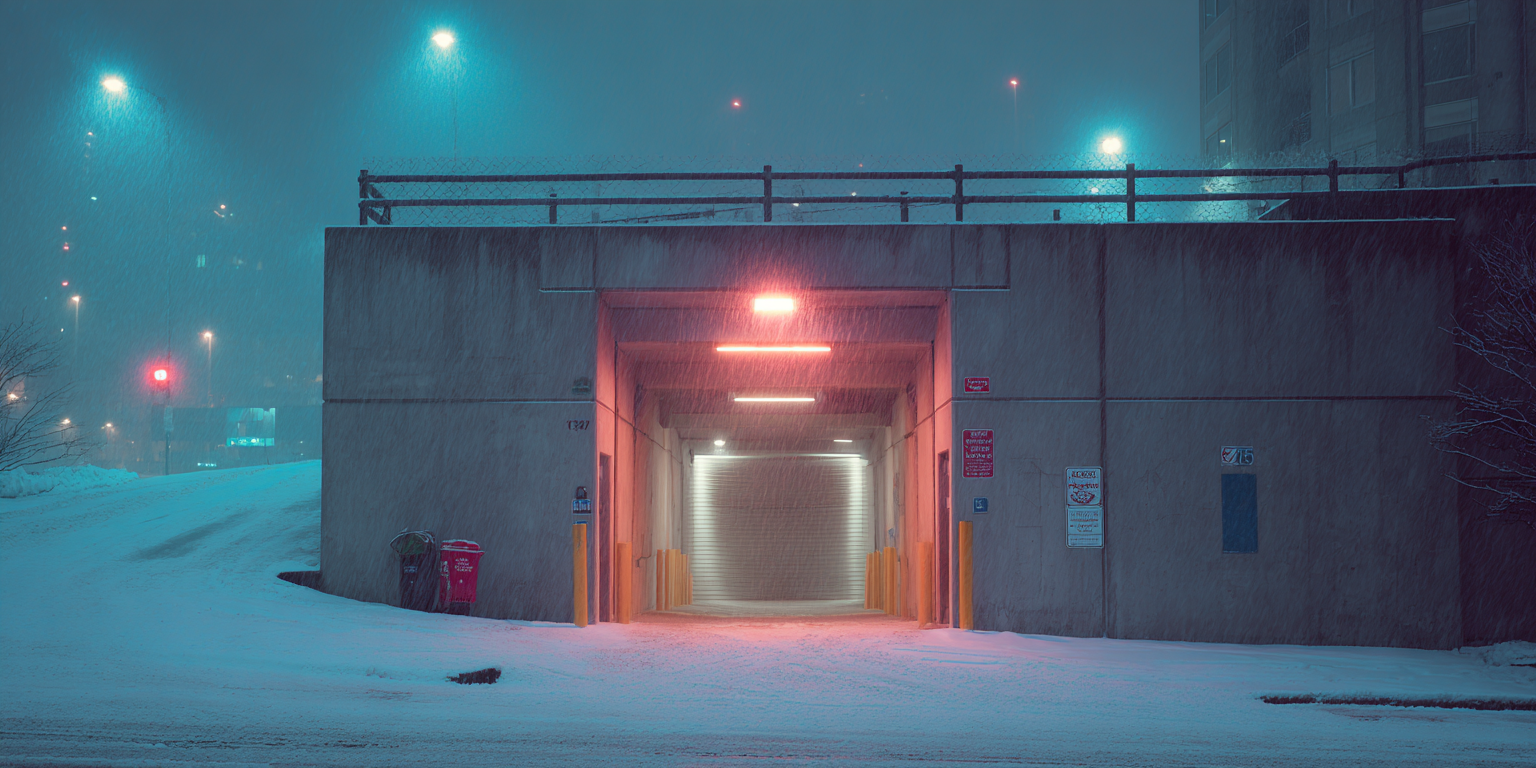
In New England, road salt is a winter necessity. It keeps roads and parking areas safer by reducing ice buildup. But while salt protects drivers and pedestrians in the short term, it can cause serious long-term damage to parking garages.
So does road salt really damage parking garages? Yes — road salt is one of the leading causes of concrete deterioration and structural corrosion in parking structures.
Understanding how it works can help you prevent costly repairs.
How Road Salt Affects Concrete
When vehicles enter a garage during winter, they bring road salt and brine with them. That salt settles on floors, ramps, walls, and stairwells.
Salt doesn’t just sit on the surface. It:
- Penetrates porous concrete
- Seep into joints and cracks
- Attacks reinforcing steel
- Weakens protective coatings
Over time, this accelerates structural deterioration.
The Freeze-Thaw Cycle Makes It Worse
In cold climates, freeze-thaw cycles magnify the problem.
When water seeps into concrete and freezes, it expands. As temperatures rise, it contracts. This repeated expansion and contraction leads to:
- Surface cracking
- Concrete spalling
- Scaling and flaking
- Widening of existing cracks
Corrosion of Reinforcing Steel
Concrete garages rely on embedded steel reinforcement for strength.
Salt speeds up corrosion of this steel. As it corrodes, the steel expands, placing pressure on the surrounding concrete. This causes cracking, crumbling, and structural weakening.
Left untreated, this can lead to expensive structural repairs.
Damage to Coatings and Membranes
Many parking garages use protective coatings or waterproof membranes to extend lifespan.
Salt and sand grind into these coatings, wearing them down over time. Once compromised, moisture penetrates more easily, accelerating deterioration beneath the surface.
Regular cleaning helps preserve these protective layers.
The Financial Impact of Salt Damage
Neglecting salt removal can result in:
- Costly concrete repairs
- Premature resurfacing
- Membrane replacement
- Increased liability risk
- Failed inspections
Preventive cleaning is far more affordable than structural restoration.
Why Spring Cleaning Is Critical
The most important time to address road salt is immediately after winter.
A professional post-winter cleaning removes accumulated salt and sand before it continues damaging concrete during warmer months.
For New England properties, spring garage cleaning is not optional — it’s essential maintenance.
How Professional Cleaning Protects Your Garage
Professional pressure washing uses:
- High-pressure systems
- Surface-safe cleaning agents
- Thorough flushing of joints and drains
This process removes embedded salt and residue, slowing corrosion and extending structural lifespan.
Final Answer: Does Road Salt Really Damage Parking Garages?
Yes — road salt is highly corrosive and can significantly damage parking garage concrete, coatings, and structural steel. Without regular removal, salt accelerates deterioration and increases long-term repair costs.
A proactive parking garage cleaning plan is the best defense against winter damage.
Contact OFF THE WALL today to schedule post-winter parking garage cleaning and protect your structure.
Contact Us Today!
Keeping New England Clean Since 1985
Power washing company serving Connecticut, Massachusetts, and Rhode Island
CT Li.# 0626878 – Fully Insured

More Posts About Parking Garage Cleaning