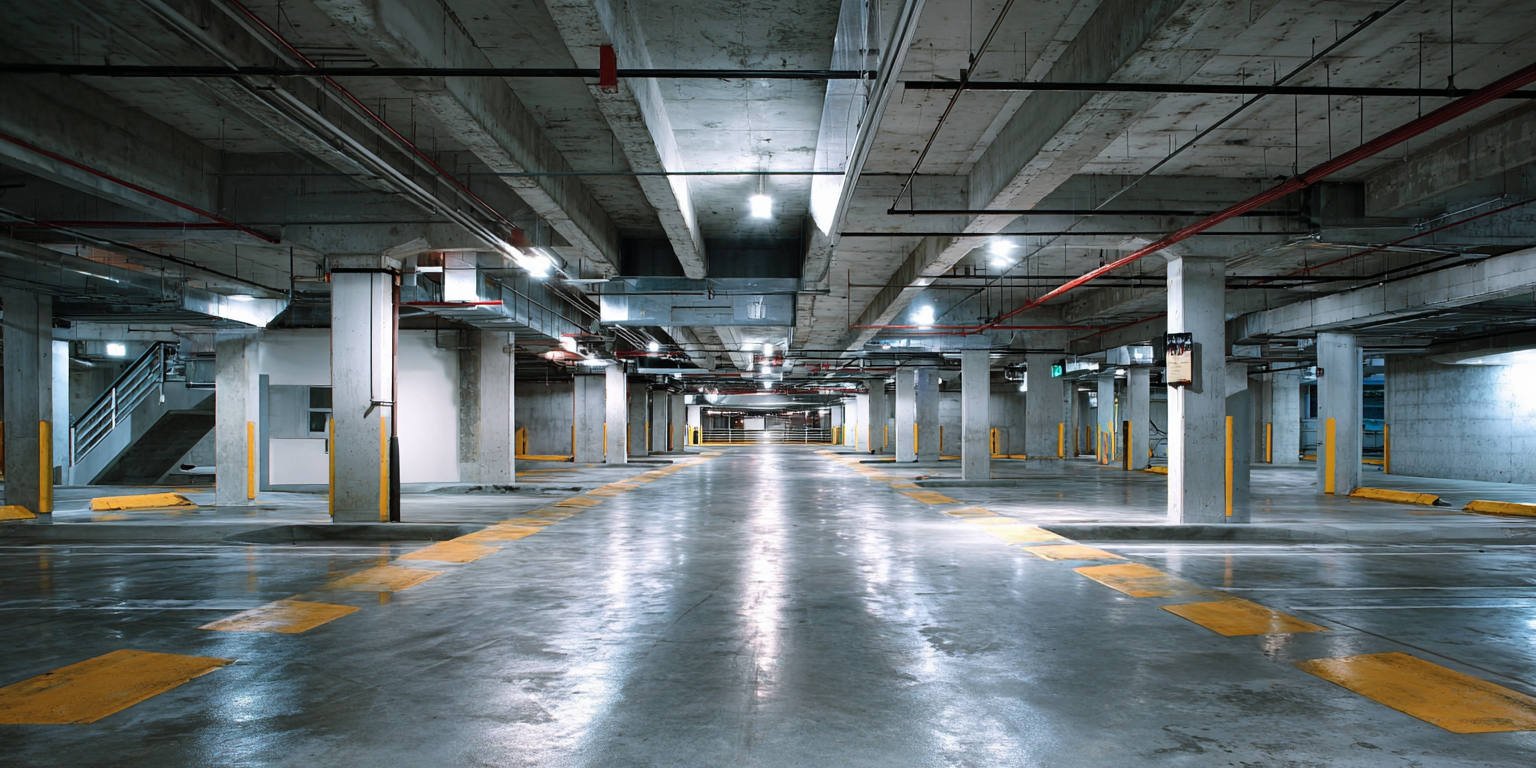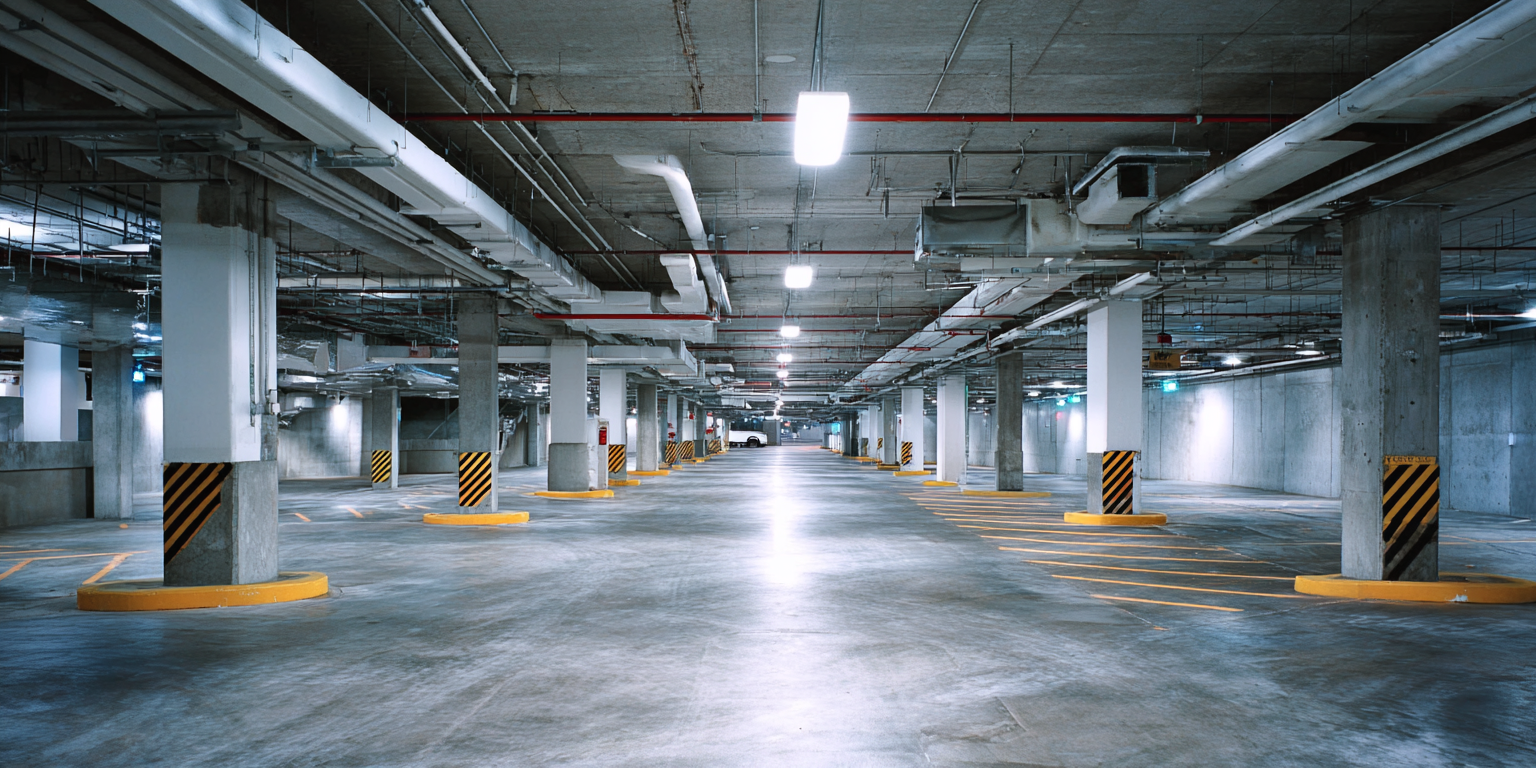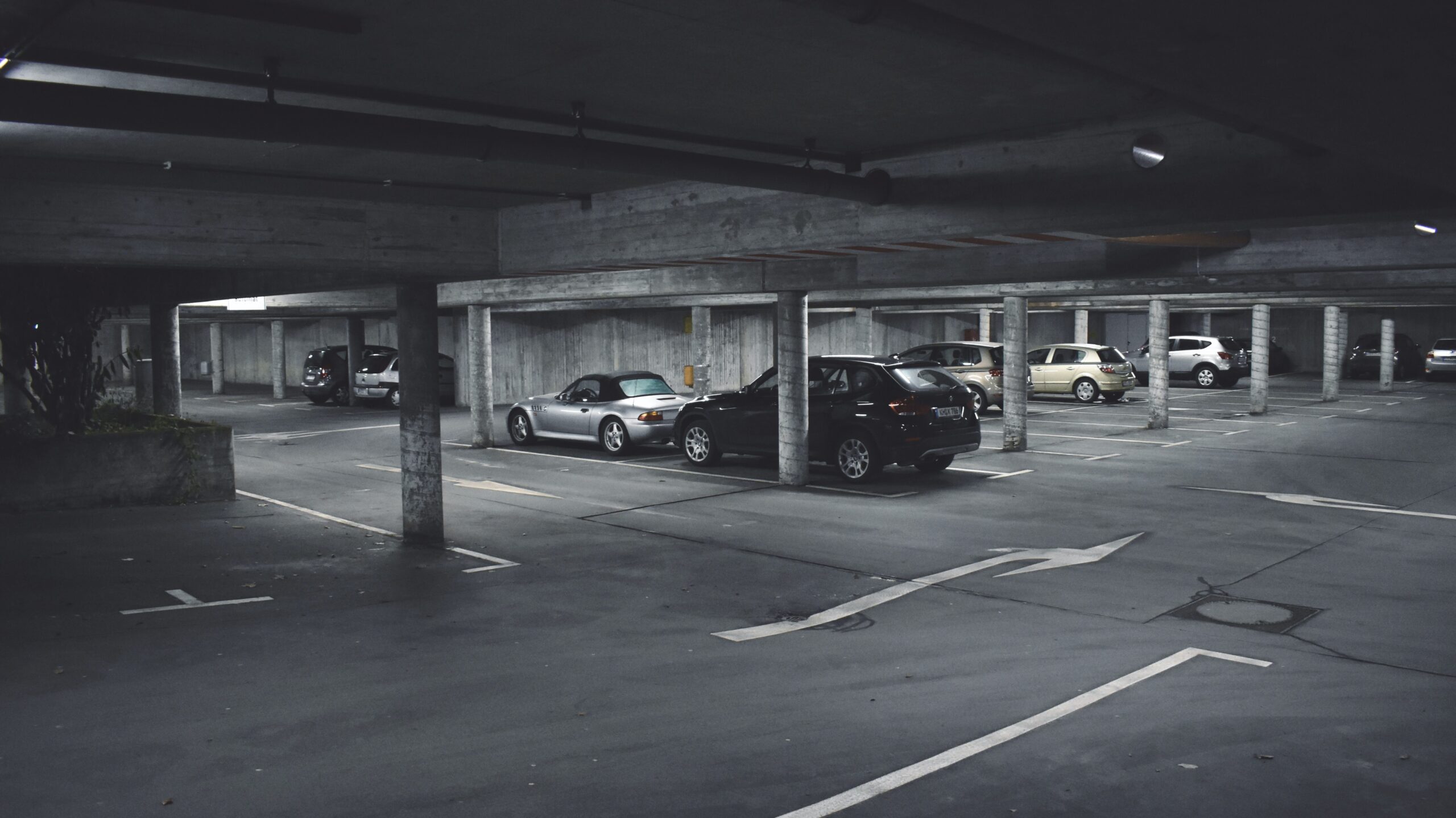






Parking garages are enclosed environments where vehicles constantly bring in dust, dirt, tire particles, oil residue, and road salt. Over time, these contaminants accumulate on floors, walls, and ceilings — and eventually, they can become airborne.
So how does cleaning improve air quality in parking garages?
Regular professional cleaning removes the dust, debris, and fine particles that circulate through the air, helping create a healthier and safer environment.
The Hidden Source of Garage Air Pollution
Many people assume vehicle exhaust is the only air quality concern in garages. While exhaust is a factor, surface buildup plays a major role.
As cars drive through the garage, they:
- Kick up fine dust
- Distribute dried salt and sand
- Spread tire particles
- Agitate accumulated debris
These particles become airborne and linger in the enclosed space.
Tire Dust and Brake Particles
Tires and brake pads shed microscopic particles during normal use. These particles settle on surfaces but are easily stirred up by traffic and airflow.
Over time, this creates a layer of fine black dust that affects:
- Air clarity
- Ventilation efficiency
- Overall cleanliness perception
Routine washing removes these contaminants before they become airborne again.
Road Salt and Sand Residue
In winter climates like New England, vehicles track large amounts of salt and sand into parking structures.
When this material dries, it turns into fine dust that can:
- Circulate through the air
- Irritate respiratory systems
- Contribute to corrosion
Professional cleaning removes embedded salt and sand, reducing airborne particles.
Mold and Moisture Issues
Garages with poor drainage or long-term residue buildup may develop mold or mildew in damp areas.
When disturbed, mold spores can enter the air and spread throughout the structure.
Regular deep cleaning eliminates the organic material that supports mold growth.
Improved Ventilation Efficiency
Dust and grime can accumulate on ventilation systems, walls, and structural components.
Cleaning helps:
- Improve airflow
- Reduce strain on ventilation systems
- Enhance light reflectivity
- Make the space feel brighter and cleaner
A cleaner garage feels more open and breathable.
Benefits for Drivers and Pedestrians
Improved air quality benefits:
- Residents walking to elevators
- Employees accessing offices
- Customers entering retail spaces
- Maintenance staff working in enclosed areas
Cleaner air supports comfort, safety, and perception of professionalism.
How Often Should Garages Be Cleaned for Air Quality?
To maintain good air quality, most garages should receive:
- Annual deep cleaning at minimum
- Post-winter salt removal
- More frequent service for high-traffic structures
Consistent maintenance prevents buildup from reaching unhealthy levels.
Final Answer: How Does Cleaning Improve Air Quality in Parking Garages?
Cleaning improves air quality by removing dust, tire particles, salt, sand, and residue that would otherwise become airborne. Regular professional pressure washing reduces contaminants, supports ventilation, and creates a cleaner, safer environment.
If your garage feels dusty, hazy, or poorly ventilated, it may be time for a professional cleaning.
Contact OFF THE WALL today to schedule parking garage cleaning and improve the air quality of your facility.
Contact Us Today!
Keeping New England Clean Since 1985
Power washing company serving Connecticut, Massachusetts, and Rhode Island
CT Li.# 0626878 – Fully Insured

More Posts About Parking Garage Cleaning