




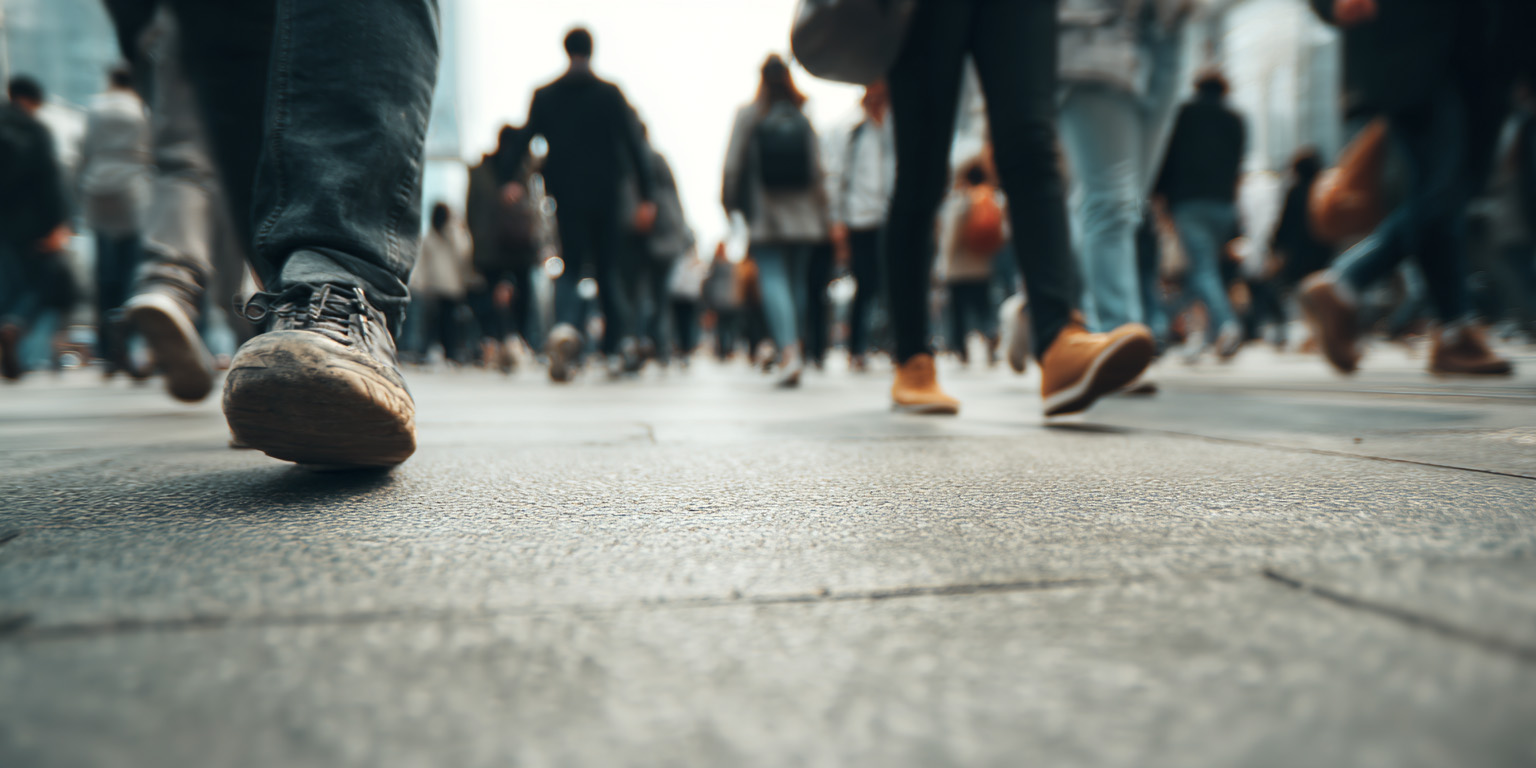
Slip-and-fall accidents are one of the most common causes of liability claims for property owners and managers. While many people associate slip hazards with snow and ice, everyday buildup on sidewalks can be just as dangerous.
So does sidewalk cleaning reduce slip hazards?
Yes — professional sidewalk cleaning significantly reduces slip risks by removing substances that make surfaces slick, uneven, or unstable.
What Makes Sidewalks Slippery?
Sidewalks accumulate more than just dirt. Over time, they collect:
- Algae and mold
- Mildew
- Oil and grease
- Food and beverage spills
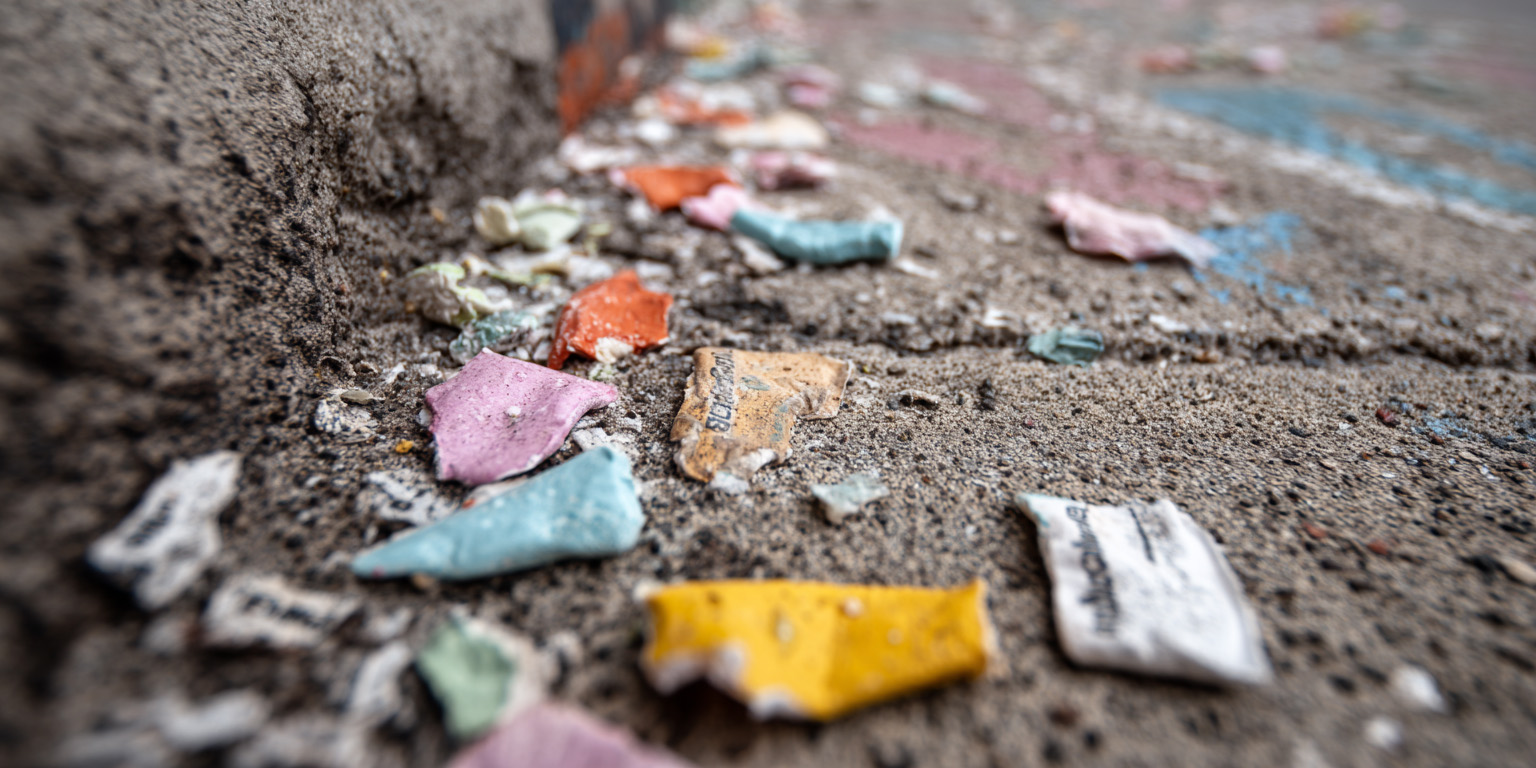
- Gum residue
- Tire marks near entrances
- Fine dust and sand
When these materials mix with moisture, they create slick conditions — even on surfaces that appear dry.
The Hidden Danger of Mold and Algae
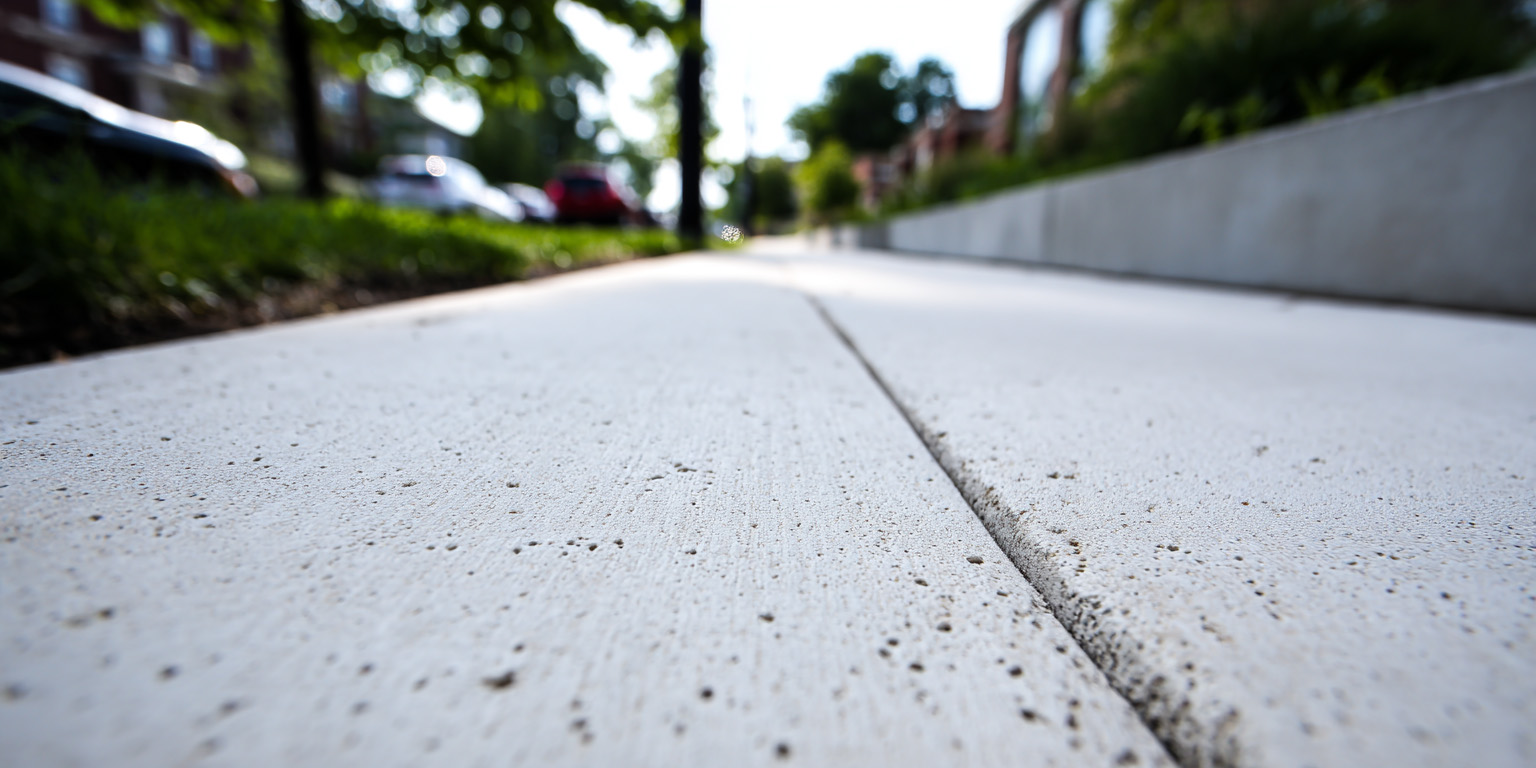
Mold and algae growth are especially hazardous. These organisms thrive in damp, shaded areas and can create a thin, slippery film on concrete.
Even a slight layer of algae can dramatically reduce traction, increasing the risk of falls.
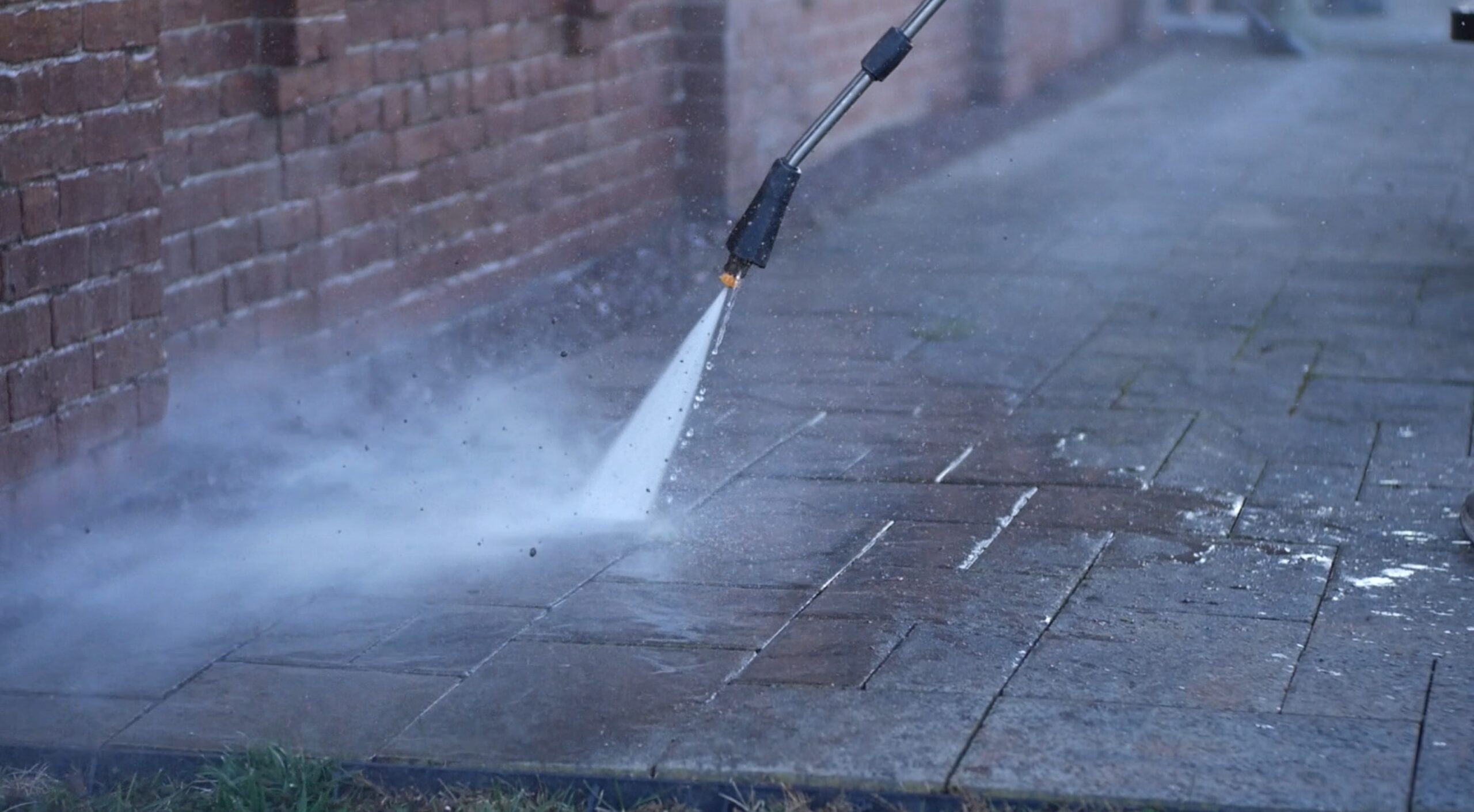
Regular pressure washing removes these growths before they become dangerous.
Oil and Grease Buildup
In commercial areas, oil and grease can be tracked onto sidewalks from parking areas and entrances.
These substances create invisible slip zones, particularly when wet. Professional cleaning can break down and remove grease rather than simply spreading it around.
Gum and Debris Create Trip Hazards
While gum might not seem like a major issue, heavy buildup can create uneven walking surfaces.
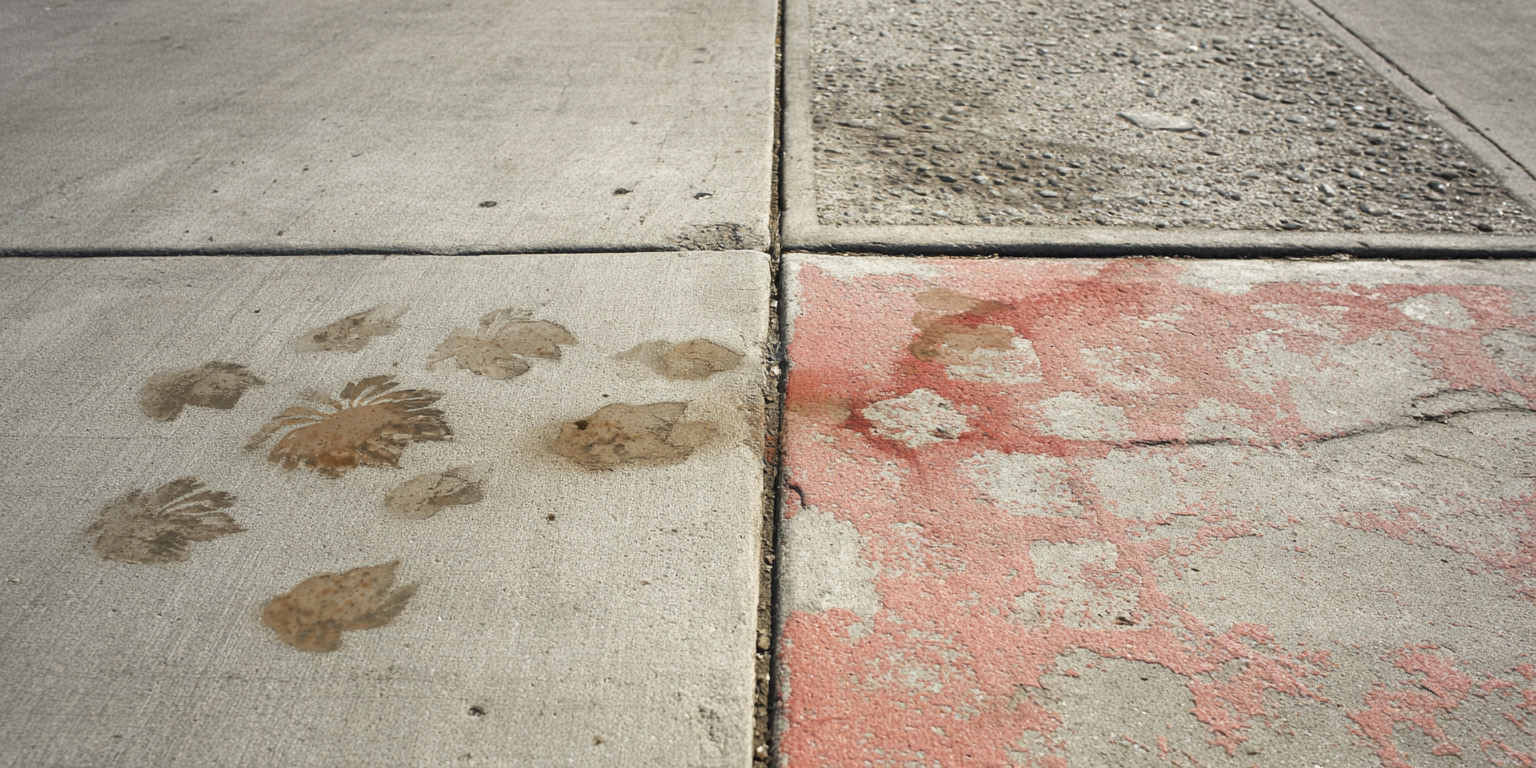
Combined with cracks, debris, and surface staining, neglected sidewalks can increase both slip and trip risks.
Cleaning restores a more uniform surface.
Improved Traction and Surface Integrity
Professional pressure washing:
- Removes slick residue
- Clears loose debris
- Cleans porous concrete
- Improves surface grip
Clean concrete provides better traction than surfaces coated with grime or biofilm.
Reducing Liability Exposure
Slip-and-fall claims can be costly. Regular sidewalk cleaning demonstrates proactive maintenance and commitment to safety.
For property managers and commercial building owners, routine cleaning supports:
- Safer pedestrian pathways
- Lower accident risk
- Improved inspection outcomes
- Reduced liability exposure
Preventive maintenance is far less expensive than defending a claim.

How Often Should Sidewalks Be Cleaned for Safety?
High-traffic commercial properties often benefit from quarterly cleaning, while most buildings should schedule at least annual professional service.
In New England, post-winter cleaning is especially important to remove salt and sand that reduce traction.
Final Answer: Does Sidewalk Cleaning Reduce Slip Hazards?
Yes — regular professional sidewalk cleaning removes algae, grease, debris, and other slippery contaminants that increase fall risk. Clean sidewalks provide better traction and help protect both pedestrians and property owners.
If your sidewalks haven’t been professionally cleaned recently, now is the time.
Contact OFF THE WALL today to schedule professional sidewalk cleaning and improve safety at your property.
Contact Us Today!
Keeping New England Clean Since 1985
Power washing company serving Connecticut, Massachusetts, and Rhode Island
CT Li.# 0626878 – Fully Insured

More Posts About Sidewalk Cleaning