Clogged gutters might seem like a minor nuisance, but they can create serious problems for both residential and commercial properties.
So can clogged gutters cause mold?
Yes — clogged gutters can absolutely contribute to mold growth, both inside and outside your building.
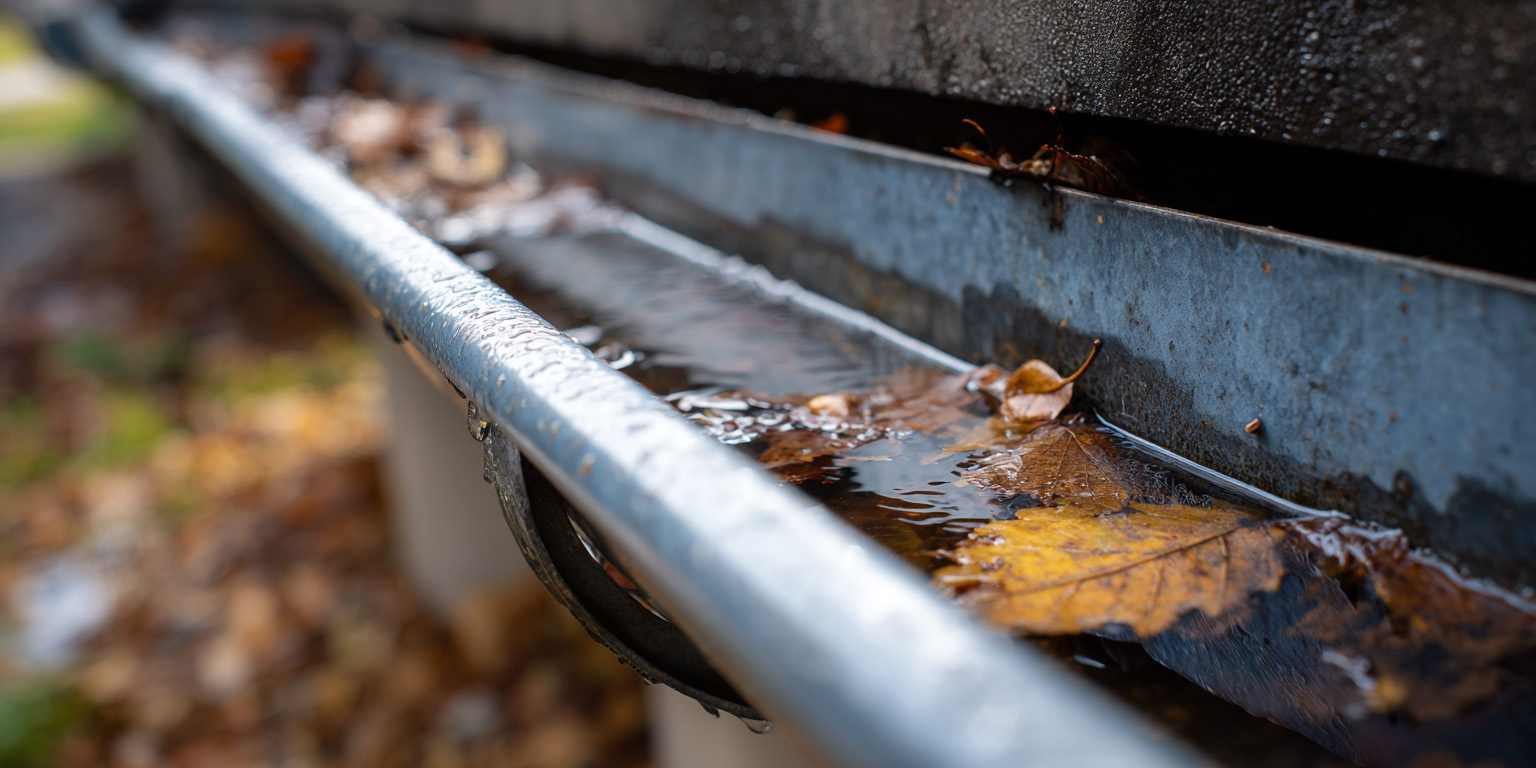
When gutters fail to properly direct water away from the structure, moisture builds up where it doesn’t belong — and mold thrives in damp environments.
How Clogged Gutters Lead to Mold Growth
Gutters are designed to channel rainwater safely away from:
- The roof
- The siding
- The foundation
- Window and door frames
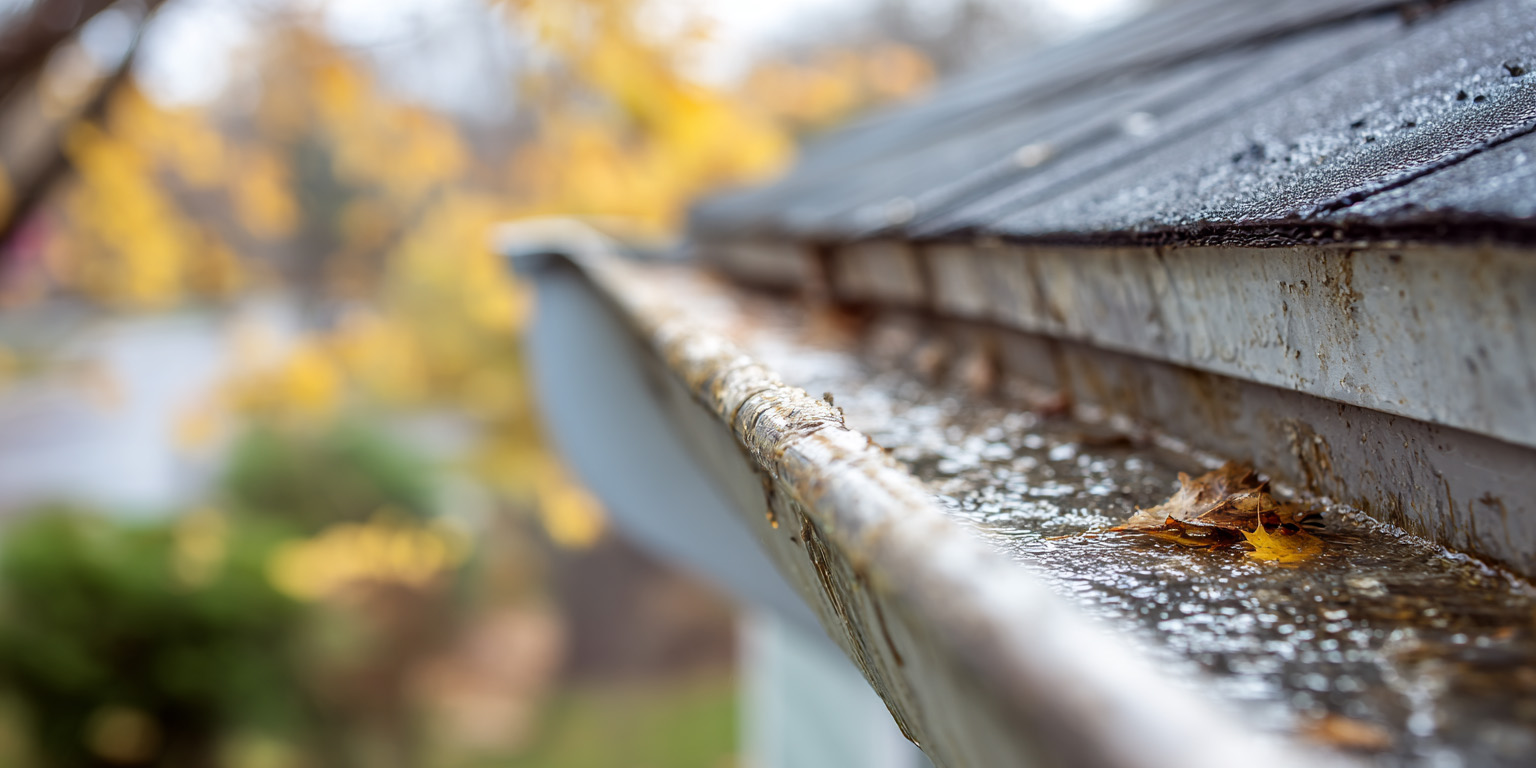
When gutters are clogged with leaves, debris, and sediment, water overflows and runs down the building exterior.
This excess moisture can:
- Soak into siding and trim
- Penetrate roof edges
- Collect around the foundation
- Seep into basements or crawl spaces
Persistent moisture creates ideal conditions for mold and mildew to develop.
Exterior Mold Problems
Overflowing gutters often cause water to run behind siding or sit along exterior walls. Over time, this can lead to:
- Mold growth on siding
- Staining and discoloration
- Rotting wood trim
- Damage to fascia boards
What starts as clogged gutters can quickly become visible mold on the exterior of your building.
Interior Mold Risks
The more serious concern is interior mold.
When water backs up under roofing materials or infiltrates wall cavities, it can lead to hidden mold growth inside walls or ceilings.
Warning signs may include:
- Musty odors
- Ceiling stains
- Peeling paint
- Increased indoor humidity
Interior mold remediation is far more expensive than preventive professional gutter cleaning.
Foundation and Basement Concerns
Clogged gutters also allow water to pool around the foundation.
Repeated saturation can cause:
- Basement leaks
- Damp crawl spaces
- Mold growth on framing and insulation
For apartment buildings, condos, offices, and schools, this becomes a serious health and liability concern.
Why New England Properties Are Especially Vulnerable
In New England, seasonal leaf fall, heavy rain, snow, and ice buildup increase the likelihood of gutter clogs.
When winter snow melts, blocked gutters can trap water, leading to:
- Ice dams
- Water intrusion
- Long-term moisture damage
Regular fall gutter cleaning is critical to preventing these issues.
How Often Should Gutters Be Cleaned to Prevent Mold?
Most properties benefit from at least one professional gutter cleaning per year, typically in the fall.
Properties surrounded by trees or subject to heavy debris may require more frequent service.
Routine cleaning keeps water flowing properly — and keeps moisture away from your building envelope.
Final Answer: Can Clogged Gutters Cause Mold?
Yes — clogged gutters can lead to exterior and interior mold growth by allowing water to overflow and infiltrate your building. What starts as a simple maintenance issue can turn into costly remediation.
Prevent mold before it starts.
Contact OFF THE WALL today to schedule professional gutter cleaning and protect your property from water damage and mold risk.
Contact Us Today!
Keeping New England Clean Since 1985
Power washing company serving Connecticut, Massachusetts, and Rhode Island
CT Li.# 0626878 – Fully Insured
More Posts About Gutter Cleaning